Find Your Voice
Limits
Andrei Schiller-Chan · · 8 min read
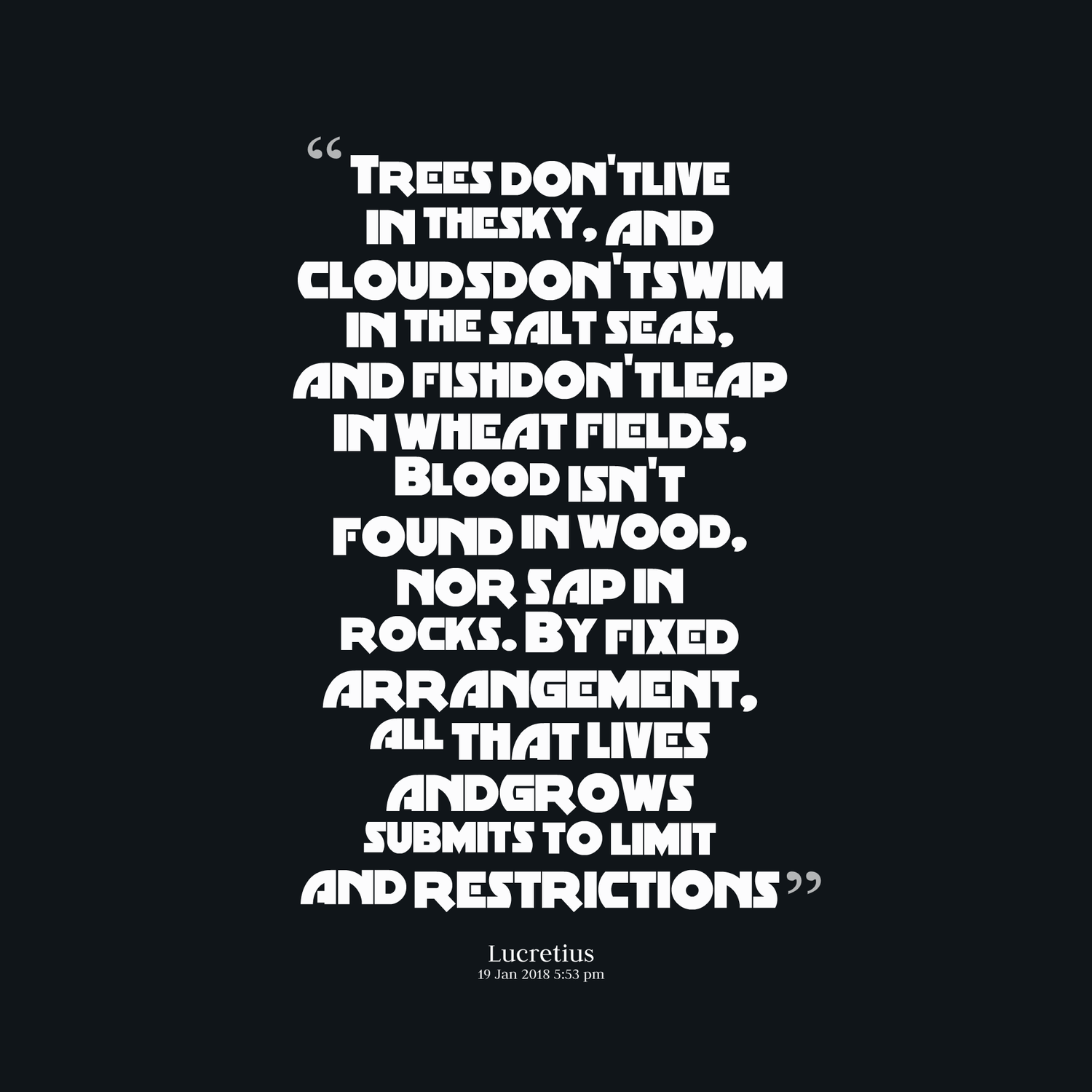
A limit set upon matter, applies to the voice in equal measure; and all things that grow, grow in a speed suitable to their own nature. Pushing a voice beyond its limit noticeably leads to poor health; similarly, when learning to extend one's range, one is wise to accept the speed at which the mind and body can learn, for there also is a limit applied to the speed of learning. Wisdom in understanding your own natural pace is a difficult and frightening task, but the rewards for doing so yield crops that scatter their pollen into every corner of your life. This is important, for one of the most common traits of people discovering and using their voice is that they loathe the sound of it.
We hear it, and because it sounds different to how we perceive it within our own being, we admonish and berate it. We want to change it, we don't want to sound like that, and on it goes. I won't go into the scientific reasoning behind why it sounds different to how we perceive it but rather on our initial judgement of it, and the accompanying self-talk that can lead to what is called cycles of failure. Extending and challenging one's limits is a pursuit of excellence, but what happens to the self at which point that limit is reached? Very often this final hurdle, insurmountable and invincible, can lead us to doubt and draw us into the self-talk that winds us into the whirlpool of cyclical failure. Accepting and becoming a friend to one self is one of the most helpful tools to beginning work on one's voice. Too often, the author included, are drawn into the result orientated process of learning, by which the only results of our effort are measured and analyzed; and similarly, we begin the task with the end in mind ignoring the process. There is not one way to learn, and perhaps for those that find their self-talk is negatively influenced heavily by result orientated appreciation, it might be a better question to ask, “how did it feel for me?” Rather than, “how did it sound to me?” Accepting your limits, and growing at your own pace will fare you better in the long term, and remove you from short term horizons. If this is the case, why is there a problem? The ability to grow at your own pace means to ignore or consciously remove oneself from the movement of every other stimulant around you, for they are also growing at a pace equal to their own measure, or, growing at a pace that is influenced by others. When you undertake a pace that is set by the majority it is testing to stay motivated to your own strategies of learning, or discovery, inhibited by the concepts of group think mentality and other pressure motivators. When you give up your position, the first thing to change is the voice, for in one essence, it is an easily identifiable source of the “I”. There is only one sound made like it in the universe, therefore it is “me”, it is under my command, therefore it is “me”, “I identify the acoustical harmony as my identity I show to others”, therefore it is “me”.
Why, therefore, is it the first thing to be given up so lightly to the whims and cultural biases of others? Everywhere, the voice is influenced, and thwarts its own distinct advantage. In joining the majority, by mechanically influencing the voice, is it an act of unity (to belong), or is it an act of monopolistic competition (to advance oneself in that sphere)? Once the “me” is made to converge with the limits set by others, naturally the self is split into two parts if that limit is below or above your natural inclination. This divergence, this separation, is the cause of inner conflict and negative self-talk, because you have a natural rhythm or limit, that is fighting with an artificially created parameter one sets for oneself influenced by the creation of others. This effect is seen in the educational system, as learners with dyslexia and dyspraxia were forced to learn in methods that clashed with their natural learning style. Students were made to feel it was their lack of ability informing their level of intellect; however, it was the method of instruction adopted by the institution that lacked insight and understanding. The burden that was laid upon the students forced them into narrative self-talk that drew them into a cycle of failure, further aggravating the learning experience. Progress towards one's voice, requires first and foremost, a philosophical and mindful inquisition into one's learning processes, and an awareness of your beginning, to have a yardstick of comparison that you can refer to in feelings of doubt.
On the other hand, your voice is the byproduct of carbon dioxide and oxygen that existed eons before your essence came to be alive, so how much, if any at all, of your voice can you call your own? Your essence had no input into its anatomical complexity, it is not master of the breath that fuels it, and the phenomena of acoustical vibration may have existed at the very onset of the creation of the universe. Too much pride in the identification of the “me” in the acoustical sound of your own voice can prevent you from exceeding limits that you have placed upon yourself. It is indeed harmful when the voice you identify so strongly with, is set in a habitually effortful place. A voice can reveal status and gender, and the essential inherent materialism of these distinctions becomes the means of expression; an expression that one can be reluctant to give up. Is there a possibility to become a friend to oneself so that the voice itself leads the speaker to a discovery of the “I” that existed before the “I” was born in the voice, the “I” that existed with the nature of things that were born billions of years ago? Much like Joseph Campbell's hero metaphor where the hero heeds the call, or the call of music to take them beyond the realms of their circle; so too might there be a possibility to change how we perceive voice as something that is mastered by us to another complexity that we surrender to be something mastered by the voice to lead us to the discovery of the real nature of the “I”.